

- This event has passed.
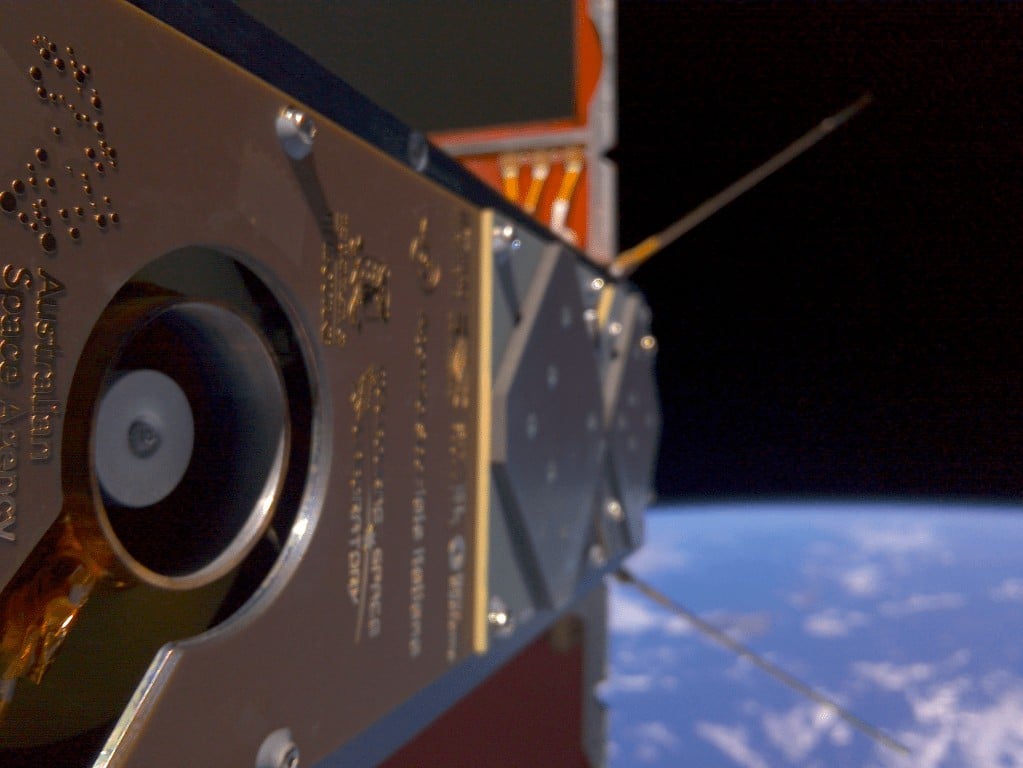
Save the date! Blue Horizons is back in 2026 with a fresh new format, ready to ignite the Australian space-based astronomy community. BH26 will be held at the Australian National University from the 12th – 13th of November, featuring exciting talks and an exhibition space to showcase innovative Aussie space telescope missions and science drivers.
What is Blue Horizons?
Blue Horizons is an annual Australian space astronomy conference supported by Astronomy Australia Limited, with a focus on working towards Australia’s next space telescope mission. We celebrate the progress being made towards novel and innovative space telescope instrumentation, astronomy done from space, and astro-tech translation.
This year, Blue Horizons will feature talks from a range of exciting mission concepts, including the Ultraviolet Extinction Sky Survey (UVESS) from the Australian National University, SkyHopper from the University of Melbourne, and the Galaxy Reionization EXplorer and PLanetary Universe Spectrometer (GREX-PLUS) from the Japanese space agency, JAXA. It will also include talks from industry, instrumentation teams, and other experts—all designed to help teams get their concepts mission-ready.
Who should attend?
Anyone in the astronomy, space, and instrumentation communities, alongside industry. If you’re interested in hearing from multi-disciplinary teams pursuing the next Australian space telescope, Blue Horizons is for you.
I would like to give a talk – what should I do?
We have an excellent selection of mission teams participating in Blue Horizons, but we’re still on the lookout for highlight talks. These talks describe bodies of work relating to:
- Science cases
- Mission concepts
- Enabling technologies
- Space mission infrastructure
- Industry engagement and research translation
If you’d like to submit an abstract for a highlight talk, please visit the Blue Horizons website.
Where do I sign up?
Learn more at the Blue Horizons website.
Featured image credit: The University of Melbourne/Melbourne Space Laboratory